The Soul of the Kitchen: A Complete Guide to Making Corn Tortillas from Scratch
There’s something deeply satisfying about making corn tortillas from scratch. It’s more than just cooking—it’s a ritual that connects you to centuries of tradition, culture, and flavor. Store-bought tortillas may be convenient, but once you experience the aroma of freshly cooked masa hitting a hot skillet, you’ll understand why homemade tortillas are in a league of their own and will never want to go back.
In this guide, we’ll walk through everything you need to know: the ingredients, the process, the techniques, and even a bit of the “why” behind each step. Whether you’re new to cooking or a seasoned home chef, mastering corn tortillas is a skill worth having.
What Are Corn Tortillas?
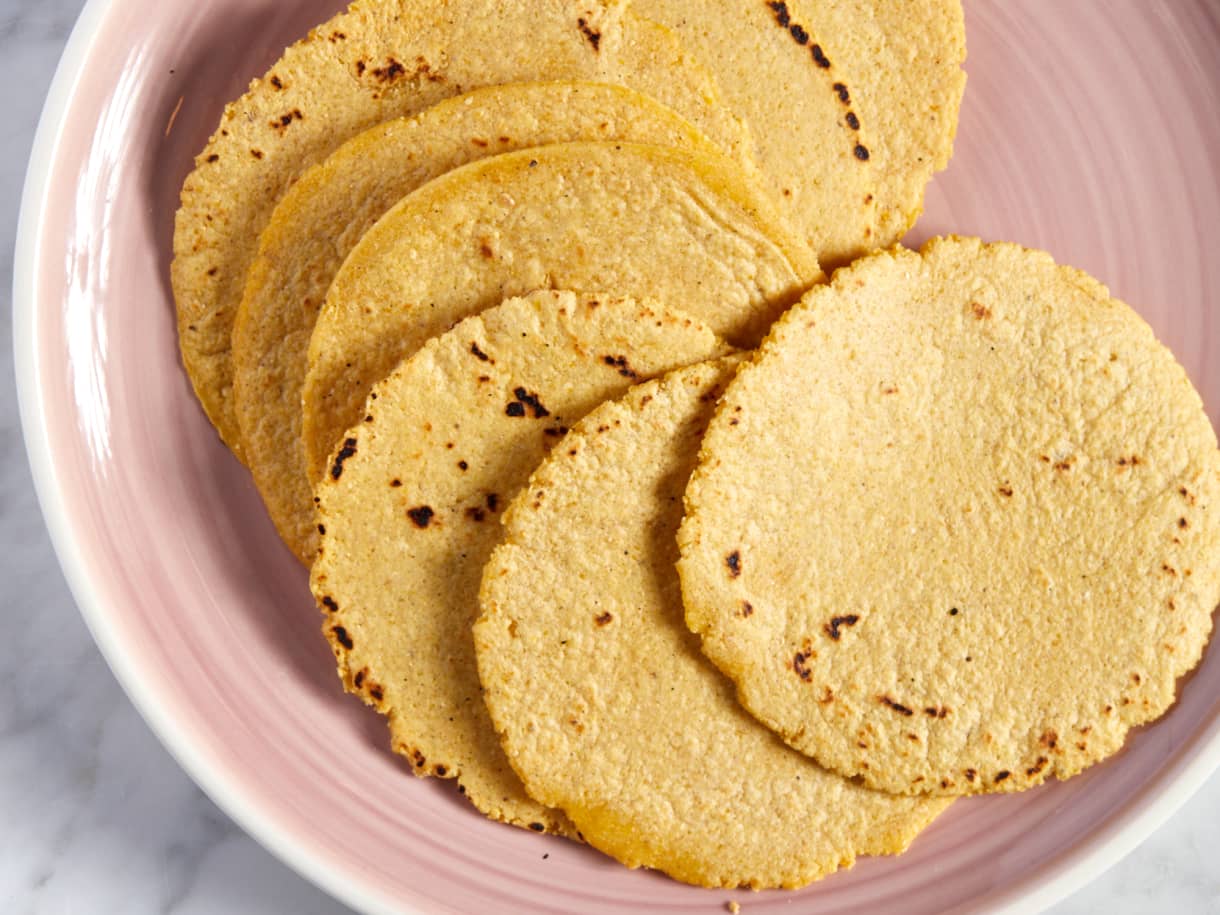
Corn tortillas are a staple in Mexican cuisine, made from just a few simple ingredients: masa harina (a special corn flour), water, and sometimes a pinch of salt. Unlike flour tortillas, corn tortillas have a slightly earthy, nutty flavor and a soft yet slightly chewy texture. They’re the foundation for tacos, enchiladas, quesadillas, and so much more.
The magic lies in the masa harina, which is made from corn that has undergone a process called nixtamalization—soaked and cooked in an alkaline solution. This ancient technique enhances flavor, improves nutrition, and gives tortillas their distinctive texture.
Ingredients You’ll Need
One of the best things about corn tortillas is their simplicity. You only need:
- 270 g masa harina
- 460 g warm water (plus more if needed)
- ½ teaspoon salt (optional but recommended)
That’s it. No preservatives, no additives—just real food.
Tools That Make Life Easier
While you can get by with minimal equipment, a few tools make the process smoother:
- Mixing bowl
- Tortilla press (or a heavy flat object like a cast-iron skillet)
- Plastic sheets or parchment paper
- Cast-iron skillet, griddle, or comal
- Clean kitchen towel
If you don’t have a tortilla press, don’t worry—you can still make great tortillas by pressing them manually.
Step 1: Making the Dough
Start by combining the masa harina and salt in a mixing bowl. Slowly add warm water while mixing it with your hands, until a dough forms. Knead it gently for 2-3 minutes until smooth and soft. You will know the dough is ready when it is no longer excessively sticking to your hand. In the beginning of mixing, you will notice the masa harina excessively sticks to your hand. However, as you mix that texture will begin to change.
You’re aiming for a texture, similar to soft playdough—moist but not sticky. If the dough cracks when you press it, it’s too dry; add a bit more water. If it sticks excessively to your hands, it’s too wet; sprinkle in a little more masa harina.
Once the dough comes together, cover it with a damp cloth and let it rest for about 15–20 minutes. This resting period allows the masa to fully hydrate, making it easier to work with.
Step 2: Forming the Dough Balls
After resting, divide the dough into golf-ball-sized portions. Roll each piece between your palms to form smooth balls.
Keep them covered with a damp towel as you work—masa dries out quickly, and dry dough is difficult to press and cook properly.
Step 3: Pressing the Tortillas
Place one dough ball between two pieces of plastic or parchment paper. Using a tortilla press, gently flatten it into a thin, even circle roughly about 5–6 inches in diameter.
If you don’t have a press, place the dough between plastic sheets and use a heavy skillet or flat-bottomed pan to press it down. Apply even pressure to get a consistent thickness.
Peel the tortilla carefully from the plastic. If it sticks, your dough may be too wet—or you may need to replace your plastic sheets.
Step 4: Cooking the Tortillas
Heat a cast-iron skillet or griddle over medium heat. You want it hot, but not smoking.
Place the tortilla onto the dry pan—no oil needed. Let it cook for about 30–45 seconds, until the edges start to dry and the bottom releases easily.
Flip it and cook for another 30–45 seconds. Then flip it one more time for about 15–20 seconds. During this final cook, you may see the tortilla puff up slightly—that’s a great sign! It means steam is forming inside, creating a soft, airy interior.
Remove the tortilla and place it in a clean kitchen towel to keep warm. Repeat with the remaining dough.
Why the Puff Matters
That little puff during cooking isn’t just visually satisfying—the puff creates a light interior layer, giving the tortilla a delicate texture that’s perfect for folding and filling.
If your tortillas don’t puff, don’t worry—they’ll still taste great.
Serving Fresh Corn Tortillas
Fresh tortillas are best enjoyed immediately. Keep them wrapped in a towel to stay warm and soft.
Use them for:
- Tacos filled with grilled meats or vegetables
- Simple quesadillas with melted cheese
- Dipping into salsas or guacamole
- Wrapping around scrambled eggs for breakfast
The flavor is subtly sweet and deeply corn-forward—far superior to most packaged versions.
Common Mistakes and How to Avoid Them
1. Dry Dough
If your tortillas crack at the edges when pressed, your dough needs more water. Add it gradually and mix thoroughly.
2. Sticky Dough
Too much water makes the dough hard to handle. Add a bit more masa harina until it firms up.
3. Uneven Thickness
Apply even pressure when pressing. Uneven tortillas cook inconsistently.
4. Incorrect Heat
Too hot, and the tortillas burn before cooking through. Too cool, and they dry out. Medium heat is your sweet spot.
5. Skipping the Resting Time
Letting the dough rest is crucial for hydration and workability.
Storing and Reheating
If you have leftovers (which is rare), let the tortillas cool completely and store them in an airtight container in the refrigerator for up to 3 days.
To reheat, warm them on a dry skillet or wrap them in a damp towel and microwave briefly. Avoid overheating, as they can become tough.
Taking It to the Next Level
Once you’ve mastered basic corn tortillas, you can start experimenting:
- Add finely chopped herbs or spices to the dough
- Use blue corn masa for a vibrant color and slightly different flavor
- Try shaping thicker tortillas for dishes like sopes or gorditas
Each variation opens the door to new textures and culinary possibilities.
Why Homemade Matters
Making corn tortillas from scratch isn’t just about taste—though the flavor alone is reason enough. It’s about slowing down, engaging your senses, and appreciating the process.
You feel the dough in your hands. You hear the sizzle as it hits the pan. You smell the toasted corn aroma filling your kitchen. These moments turn cooking into something more meaningful.
And once you’ve tasted a warm, freshly made tortilla, it’s hard to go back.
Final Thoughts
Corn tortillas are proof that the simplest foods are often the most profound. With just a few ingredients and a bit of practice, you can create something deeply satisfying and endlessly versatile.
Don’t worry about perfection on your first try. Each batch teaches you something new—about texture, timing, and technique. Before long, the process will feel natural, almost meditative.
So grab some masa harina, heat up your skillet, and start pressing. Your future tacos will thank you.
The Soul of the Kitchen: A Complete Guide to Making Corn Tortillas from Scratch
Ingredients
Method
- Start by combining the masa harina and salt in a mixing bowl. Slowly add warm water while mixing it with your hands, until a dough forms. Knead it gently for 2-3 minutes until smooth and soft. You will know the dough is ready when it is no longer excessively sticking to your hand. In the beginning of mixing, you will notice the masa harina excessively sticks to your hand. However, as you mix that texture will begin to change.
- You’re aiming for a texture, similar to soft playdough—moist but not sticky. If the dough cracks when you press it, it’s too dry; add a bit more water. If it sticks excessively to your hands, it’s too wet; sprinkle in a little more masa harina.
- Once the dough comes together, cover it with a damp cloth and let it rest for about 15–20 minutes. This resting period allows the masa to fully hydrate, making it easier to work with.
- After resting, divide the dough into golf-ball-sized portions. Roll each piece between your palms to form smooth balls.
- Keep them covered with a damp towel as you work—masa dries out quickly, and dry dough is difficult to press and cook properly.
- Place one dough ball between two pieces of plastic or parchment paper. Using a tortilla press, gently flatten it into a thin, even circle roughly about 5–6 inches in diameter.
- If you don’t have a press, place the dough between plastic sheets and use a heavy skillet or flat-bottomed pan to press it down. Apply even pressure to get a consistent thickness.
- Peel the tortilla carefully from the plastic. If it sticks, your dough may be too wet—or you may need to replace your plastic sheets.
- Heat a cast-iron skillet or griddle over medium heat. You want it hot, but not smoking.
- Place the tortilla onto the dry pan—no oil needed. Let it cook for about 30–45 seconds, until the edges start to dry and the bottom releases easily.
- Flip it and cook for another 30–45 seconds. Then flip it one more time for about 15–20 seconds. During this final cook, you may see the tortilla puff up slightly—that’s a great sign! It means steam is forming inside, creating a soft, airy interior.
- Remove the tortilla and place it in a clean kitchen towel to keep warm. Repeat with the remaining dough.
Notes
- Dry dough – If your tortillas crack at the edges when pressed, your dough needs more water. Add it gradually and mix thoroughly.
- Sticky Dough
Too much water makes the dough hard to handle. Add a bit more masa harina until it firms up. - Uneven Thickness
Apply even pressure when pressing. Uneven tortillas cook inconsistently. - Incorrect Heat
Too hot, and the tortillas burn before cooking through. Too cool, and they dry out. Medium heat is your sweet spot. - Skipping the Resting Time
Letting the dough rest is crucial for hydration and workability.