
How to Make Homemade Queso Ranchero: A Rustic Mexican Classic
There are certain dishes that don’t just fill your stomach—they tell a story. Queso ranchero is one of those recipes. It’s rustic, deeply comforting, and rooted in the everyday cooking traditions of rural Mexico.
If you’ve never made queso ranchero from scratch, you’re in for a rewarding experience. It’s not complicated, but it does ask you to slow down a little, to pay attention to your ingredients, and to appreciate how flavor develops step by step. By the end, you’ll have a dish that’s versatile enough for breakfast, lunch, or dinner—and one that tastes like it came straight from a countryside kitchen.
Let’s walk through it together.
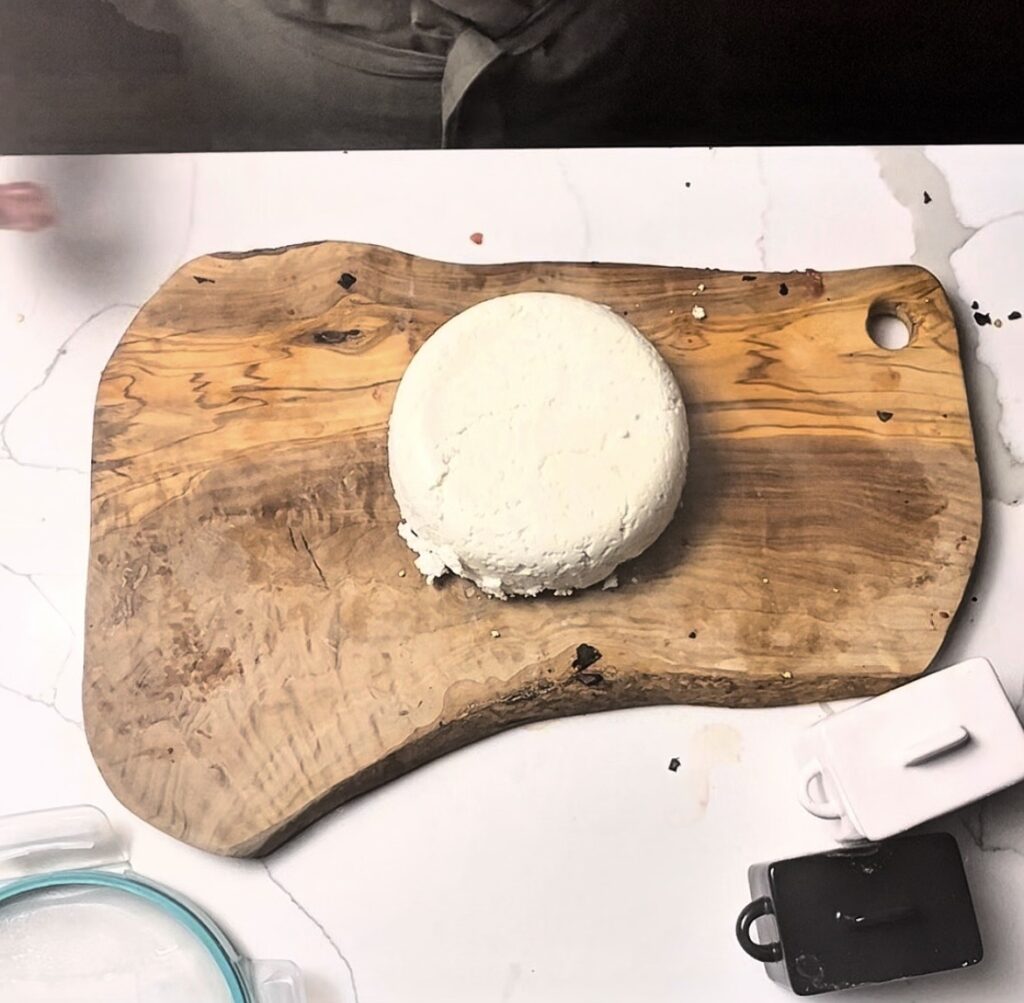
What Is Queso Ranchero?
At its core, queso ranchero translates to “ranch-style cheese.” It is a fresh Mexican cheese known to be firm, crumbly, and mild. Traditionally, it is made from raw milk that is collected directly from ranches, then mixed with rennet or white distilled vinegar, which acts as a coagulant, and separates the curds from the whey. Moreover, commercially sold queso ranchero uses pasteurized milk for safety while maintaining the cheese’s rustic, artisanal qualities. The cheese softens but does not fully melt, therefore it holds its shape.
This cheese is commonly served with warm tortillas, refried beans, or eggs topped with a bit of salsa. In many Mexican households, it’s a staple breakfast, but it’s hearty enough to stand on its own any time of day.
History of Queso Ranchero
Queso ranchero has its roots in the blending of Indigenous Mesoamerican food traditions with Spanish dairy practices introduced after the Spanish colonization of the Americas. Before European contact, Indigenous peoples in regions that are now Mexico did not produce cheese because dairy animals like cows, goats, and sheep were not native to the Americas. When Spanish settlers arrived, they brought livestock and cheesemaking techniques, which local communities adapted using available resources and tastes. Over time, this led to the development of simple, fresh cheeses like queso ranchero—literally “fresh cheese”—which is lightly salted, crumbly, and unaged. Its quick production and mild flavor made it a staple in rural households, and it remains a central ingredient in many traditional Mexican dishes today, valued for its ability to balance spicy and savory flavors.
Ingredients
One of the beauties of queso ranchero is its simplicity. Still, quality matters here. Because there are so few components, each one plays an important role.
- 1 gallon of whole milk (cannot be ultra pasteurized)
- White Distilled Vinger
- Salt to taste
Instructions
Step 1:
When choosing milk, raw or pasteurized milk may be used. Ensure that you are not using ultra pasteurized milk. Begin by boiling 1 gallon of whole milk to 170°-190°F and stir as the milk heats up.
Step 2:
Once the milk reaches it’s temperature of 170°-190°F, slowly pour in ½ cup and 2 tablespoons of white distilled vinegar. Ensure you are mixing while slowly pouring the vinegar. The vinegar will act as a coagulant and separate the curds from the whey.
Step 3:
Next, pour out the separated curds and whey into a cheese cloth to strain out the whey. You can keep the whey in the fridge for other recipes such as for soups, baking, or for cooking grains (rice, quinoa, or oats). Squeeze the curds to ensure all of whey liquid is out.
Step 4:
Salt to taste and begin the fun part – the molding. I typically will mold to a circular glass bowl to obtain the aesthetics of commercially sold queso fresco.
How to Serve Queso Ranchero
Slice the queso fresco into a warm corn tortilla. Topped the taco with your toppings such as your favorite salsa, guacamole, lettuce, or cabbage. The combination of soft tortilla, rich sauce, and tender cheese will be deeply satisfying.
Alternatively, prepare a tostada of any meat base with queso fresco as a crumbled topping for added flavor and protein!
You can also serve it alongside:
- Refried or whole beans
- Mexican rice
- Sliced avocado
- A simple salad for contrast
If you added eggs, it becomes a breakfast centerpiece. Without eggs, it works beautifully as a light lunch or dinner.
Tips for Success
Control the heat:
When making cheese, obtaining the right temperatures is important – ensure you have a kitchen thermometer.
Don’t rush squeezing the liquid whey:
Ensure the whey is removed properly from the curds, or you will end up with a soggy cheese.
Use fresh ingredients when possible:
Because the recipe is simple, freshness shines through. Good-quality milk will make a noticeable difference.
Why This Dish Matters
Queso ranchero isn’t flashy. It doesn’t rely on complicated techniques or rare ingredients. What it offers instead is something more meaningful: a connection to a style of cooking that values simplicity, resourcefulness, and flavor above all else.
It’s the kind of dish that reminds you good food doesn’t have to be complicated. With just a handful of ingredients and a bit of care, you can create something deeply satisfying.
And perhaps that’s the real beauty of queso ranchero—it invites you to slow down, to cook with intention, and to enjoy the process as much as the final result.
Once you’ve made it once, you’ll likely find yourself coming back to it again and again. It’s comforting, adaptable, and always hits the spot.
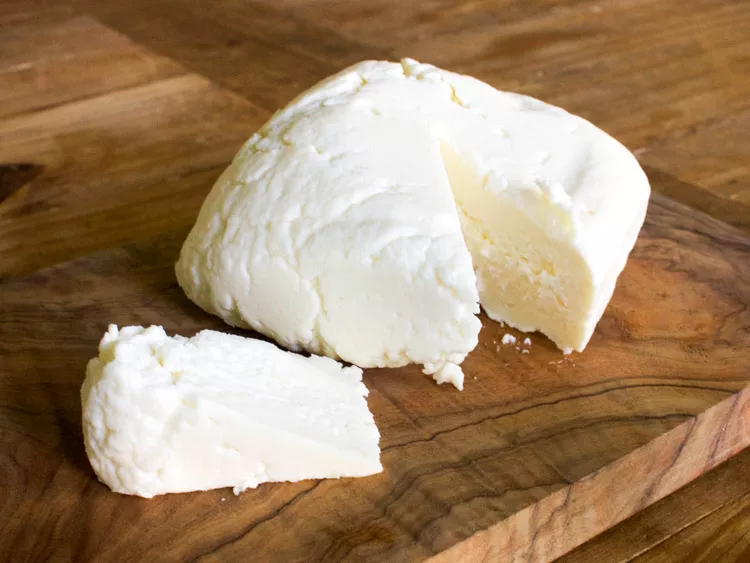

Queso Ranchero: A Rustic Mexican Classic You Can Make at Home
Ingredients
Method
- Boil the milk. When choosing milk, raw or pasteurized milk may be used. Ensure that you are not using ultra pasteurized milk. Begin by boiling 1 gallon of whole milk to 170°-190°F and stir as the milk heats up.
- Once the milk reaches it’s temperature of 170°-190°F, slowly pour in coagulant, or ½ cup and 2 tablespoons of white distilled vinegar. Ensure you are mixing while slowly pouring the vinegar. The vinegar will act as a coagulant and separate the curds from the whey.
- Next, pour out the separated curds and whey into a cheese cloth to strain out the whey. You can keep the whey in the fridge for other recipes such as for soups, baking, or for cooking grains (rice, quinoa, or oats). Squeeze the curds to ensure all of whey liquid is out.
- Salt to taste and begin the fun part – the molding. I typically will mold to a circular glass bowl to obtain the aesthetics of commercially sold queso fresco.
Notes
- Control the heat. When making cheese, obtaining the right temperatures is important – ensure you have a kitchen thermometer.
- Don’t rush squeezing the liquid whey. Ensure the whey is removed properly from the curds, or you will end up with a soggy cheese.
- Use fresh ingredients when possible. Because the recipe is simple, freshness shines through. Good-quality milk will make a noticeable difference.