
The Ultimate Homemade Carrot Cake (Moist, Cozy, and Foolproof)
The Ultimate Homemade Carrot Cake (Moist, Cozy, and Foolproof)
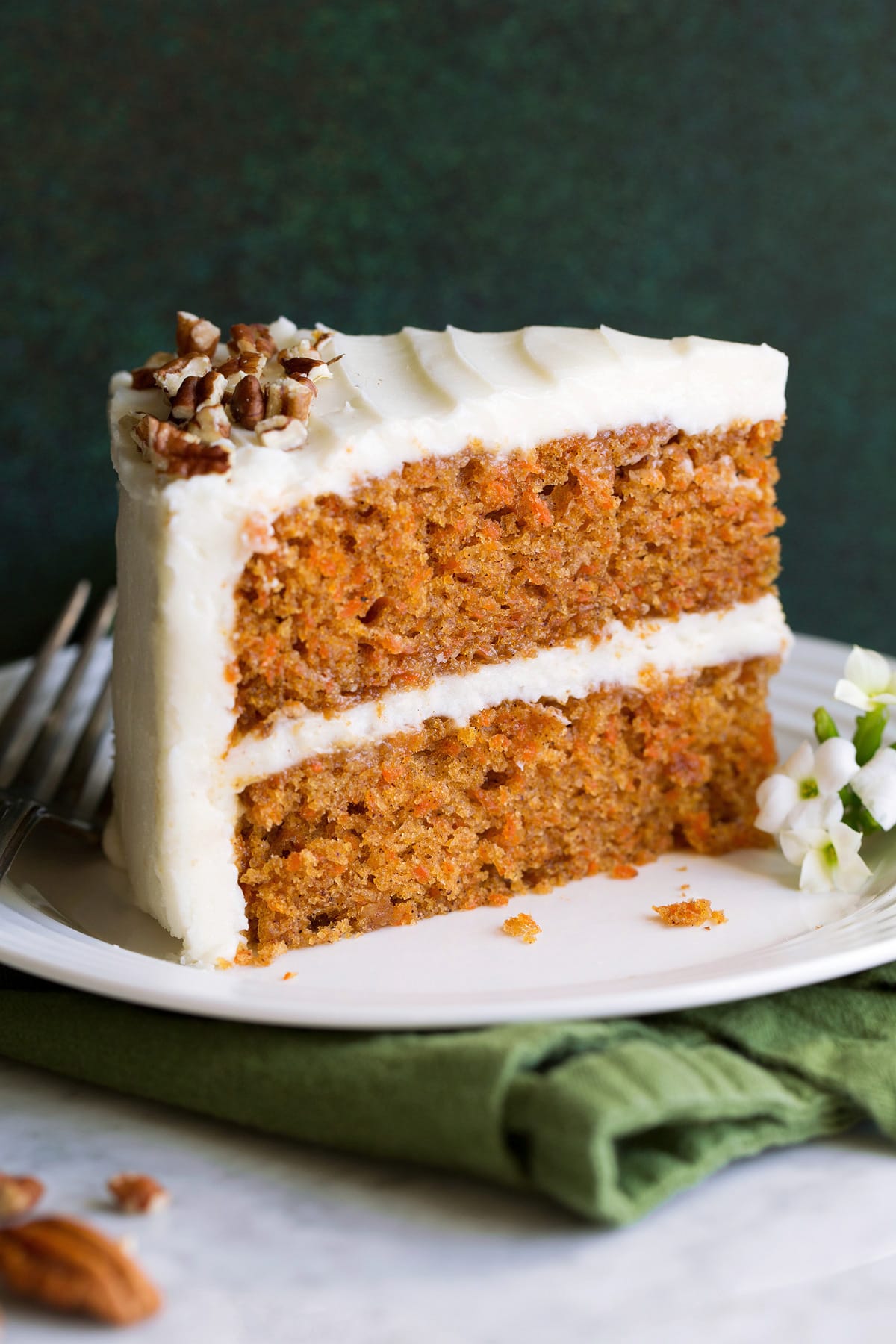
There’s something deeply comforting about a slice of homemade carrot cake. It’s soft, warmly spiced, just sweet enough, and layered with a tangy cream cheese frosting that feels indulgent without being overwhelming. Despite its humble name, carrot cake isn’t just “cake with vegetables”—it’s a beautifully balanced dessert that combines texture, moisture, and flavor in a way few other cakes can.
If you’ve never made carrot cake from scratch, you might be surprised at how straightforward it is. And once you do, it’s hard to go back to store-bought versions. This guide walks you through everything you need to know—from choosing ingredients to achieving that perfect, moist crumb—so you can bake a carrot cake that feels bakery-worthy right in your own kitchen.
Why Carrot Cake Works So Well
At first glance, carrots in a dessert might sound unusual. But they play a crucial role in what makes this cake so beloved. Finely grated carrots release moisture as they bake, which keeps the cake tender and soft for days. They also add a subtle natural sweetness that complements the sugar and spices without overpowering them.
Carrot cake is also wonderfully forgiving. Unlike more delicate cakes, it doesn’t rely on precise techniques like creaming butter and sugar to perfection. Instead, it’s an oil-based cake, which means it stays moist longer and is less prone to drying out.
Ingredients You’ll Need
Before you begin, gather your ingredients. Using fresh, good-quality items will make a noticeable difference.
🧾 Ingredients
For the Cake:
- 1 ½ cup granulated sugar
- 1 cup vegetable oil
- 3 eggs
- 2 cups all-purpose flour
- 1 ½ tsp ground cinnamon
- 1 tsp baking soda
- 1 tsp Vanilla Extract
- ½ tsp salt
- ¼ tsp ground nutmeg
- 3 cups shredded carrots
- 1 cup coarsely chopped nuts
For the Cream Cheese Frosting:
- 8 oz cream cheese (softened)
- 1/2 cup unsalted butter (softened)
- 1/4 cup powdered sugar (this will vary depending on desired sweetness)
- 1 tsp vanilla extract
Instructions
Step 1: Preparing Your Ingredients
Start by preheating your oven to 350°F (175°C). Grease the cake pans to prevent sticking.
Grating the carrots is one of the most important steps. Use the fine side of a box grater rather than pre-shredded carrots. Pre-packaged carrots are often too dry and thick, which can affect the cake’s texture. Freshly grated carrots will blend seamlessly into the batter and release moisture as they bake.
If you’re adding nuts or pineapple, prepare those now as well. Chop nuts into small, even pieces so they distribute evenly throughout the cake.
Step 2: Mixing the Dry Ingredients
In a medium bowl, whisk together the flour, baking soda, salt, cinnamon, and nutmeg. This ensures the leavening agent and spices are evenly distributed, which helps the cake rise properly and taste consistent in every bite.
Spices are what give carrot cake its signature warmth. Cinnamon is essential, while nutmeg adds depth.
Step 3: Combining the Wet Ingredients
In a large mixing bowl, whisk together the granulated sugar and oil until smooth. Unlike butter-based cakes, you don’t need to cream anything—just mix until combined.
Add the eggs one at a time, whisking well after each addition. This helps create a smooth, cohesive batter. Stir in the vanilla extract.
The oil is key here. It gives carrot cake its signature moist texture and ensures it stays soft even after a day or two.
Step 4: Bringing It All Together
Gradually add the dry ingredients to the wet mixture, stirring gently until just combined. Be careful not to overmix—this can make the cake dense instead of tender.
Fold in the grated carrots, nuts, and pineapple (if using). The batter will be thick and slightly textured, which is exactly what you want.
Step 5: Baking the Cake
Divide the batter evenly between the prepared pans and smooth the tops.
Bake for 45 minutes, or until a toothpick inserted into the center comes out clean or with a few moist crumbs. Avoid overbaking, as this can dry out the cake.
Once baked, let the cakes cool in the pans for about 10 minutes before transferring them to a wire rack to cool completely.
Step 6: Making the Cream Cheese Frosting
While the cakes cool, prepare the frosting.
In a large bowl, beat the cream cheese and butter together until smooth and creamy. This step is crucial—any lumps now will remain in the frosting.
Gradually add the powdered sugar, mixing until you reach your desired sweetness and consistency. Stir in the vanilla extract.
The result should be a smooth, thick, creamy, and spreadable that balances the sweetness of the cake.
Step 7: Assembling the Cake
Once the cakes are completely cool, it’s time to assemble.
Place one layer on a serving plate and spread a generous amount of frosting on top. Add the second layer and frost the top and sides of the cake.
For a rustic look, you can leave the sides slightly exposed (a “naked cake” style). For a more polished finish, smooth the frosting evenly all around.
If you’d like, decorate with chopped nuts, a sprinkle of cinnamon, or even small carrot-shaped icing designs.
Tips for the Perfect Carrot Cake
1. Use room-temperature ingredients for frosting.
This ensures a smooth, lump-free consistency.
2. Let the cake cool completely before frosting.
Warm cake will melt the frosting and create a mess.
3. Customize it to your taste.
Add raisins, shredded coconut, or even orange zest for a unique twist.
4. Store it properly.
Because of the cream cheese frosting, carrot cake should be stored in the refrigerator. Let it sit at room temperature for about 20 minutes before serving for the best texture.
Why Homemade Is Worth It
Making carrot cake from scratch isn’t just about the final result—it’s about the process. The smell of spices filling your kitchen, the satisfaction of grating fresh carrots, and the anticipation as the cake bakes all contribute to the experience.
And when you finally slice into that soft, moist cake layered with creamy frosting, you’ll understand why carrot cake has stood the test of time. It’s not flashy or trendy—it’s simply delicious, comforting, and deeply satisfying.
Final Thoughts
Carrot cake is one of those desserts that feels both nostalgic and timeless. Whether you’re baking it for a special occasion or just because you’re craving something sweet, it never disappoints.
Once you’ve mastered this classic version, you can experiment with variations—cupcakes, loaf cakes, or even a layered celebration cake. But no matter how you adapt it, the core elements remain the same: moisture, warmth, and balance.
So the next time you’re in the mood to bake, skip the boxed mix and try making carrot cake from scratch. It’s easier than you might think—and far more rewarding.

The Ultimate Homemade Carrot Cake (Moist, Cozy, and Foolproof)
Ingredients
Method
- Start by preheating your oven to 350°F (175°C). Grease the cake pans to prevent sticking.
- Grating the carrots is one of the most important steps. Use the fine side of a box grater rather than pre-shredded carrots. Pre-packaged carrots are often too dry and thick, which can affect the cake’s texture. Freshly grated carrots will blend seamlessly into the batter and release moisture as they bake.
- If you’re adding nuts or pineapple, prepare those now as well. Chop nuts into small, even pieces so they distribute evenly throughout the cake.
- In a medium bowl, whisk together the flour, baking soda, salt, cinnamon, and nutmeg. This ensures the leavening agent and spices are evenly distributed, which helps the cake rise properly and taste consistent in every bite.
- In a large mixing bowl, whisk together the granulated sugar and oil until smooth. Unlike butter-based cakes, you don’t need to cream anything—just mix until combined.
- Add the eggs one at a time, whisking well after each addition. This helps create a smooth, cohesive batter. Stir in the vanilla extract.
- The oil is key here. It gives carrot cake its signature moist texture and ensures it stays soft even after a day or two.
- Gradually add the dry ingredients to the wet mixture, stirring gently until just combined. Be careful not to overmix—this can make the cake dense instead of tender.
- Fold in the grated carrots, nuts, and pineapple (if using). The batter will be thick and slightly textured, which is exactly what you want.
- Bake for 45 minutes, or until a toothpick inserted into the center comes out clean or with a few moist crumbs. Avoid overbaking, as this can dry out the cake.
- Once baked, let the cakes cool in the pans for about 10 minutes before transferring them to a wire rack to cool completely.
- While the cakes cool, prepare the frosting. In a large bowl, beat the cream cheese and butter together until smooth and creamy. This step is crucial—any lumps now will remain in the frosting.
- Gradually add the powdered sugar, mixing until you reach your desired sweetness and consistency. Stir in the vanilla extract. The result should be a smooth, thick, creamy, and spreadable that balances the sweetness of the cake.
- Once the cakes are completely cool, it’s time to assemble. Place one layer on a serving plate and spread a generous amount of frosting on top. Add the second layer and frost the top and sides of the cake.
- For a rustic look, you can leave the sides slightly exposed (a “naked cake” style). For a more polished finish, smooth the frosting evenly all around.
- If you’d like, decorate with chopped nuts, a sprinkle of cinnamon, or even small carrot-shaped icing designs.
Notes
- Use room-temperature ingredients for frosting. This ensures a smooth, lump-free consistency.
- Let the cake cool completely before frosting. Warm cake will melt the frosting and create a mess.
- Customize it to your taste. Add raisins, shredded coconut, or even orange zest for a unique twist.
- Store it properly. Because of the cream cheese frosting, carrot cake should be stored in the refrigerator. Let it sit at room temperature for about 20 minutes before serving for the best texture.